

01 Swarm Index
Exploration
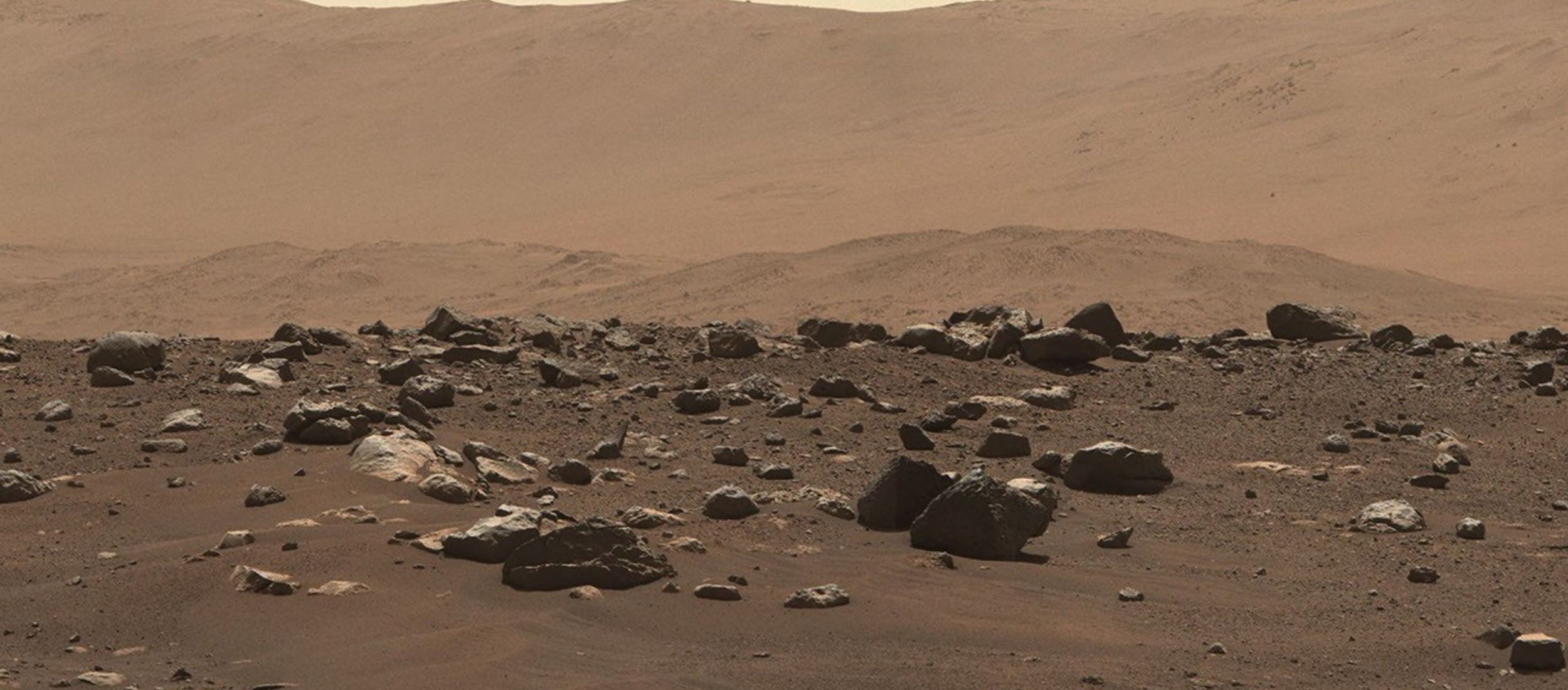
Create access, understand conditions, and establish initial infrastructure.
Operational focus
Access · Observation · Adaptation
Technologies
Exploration, transportation, settlement, navigation, and intelligence form the Swarm Index—the operational fields that guide Swarm Spatial system architecture development.
Swarm Index
Each field defines a task that intelligent infrastructure must fulfil in extreme and exo-environments. Together, they frame the systems, engineering, and technology development behind it.
Five fields, one operational architecture.
The index is organised around what a mission must achieve, not around isolated products. From here, each path leads to the system architectures and engineering disciplines that make that objective possible.
Create access, understand conditions, and establish initial infrastructure.
Operational focus
Access · Observation · Adaptation

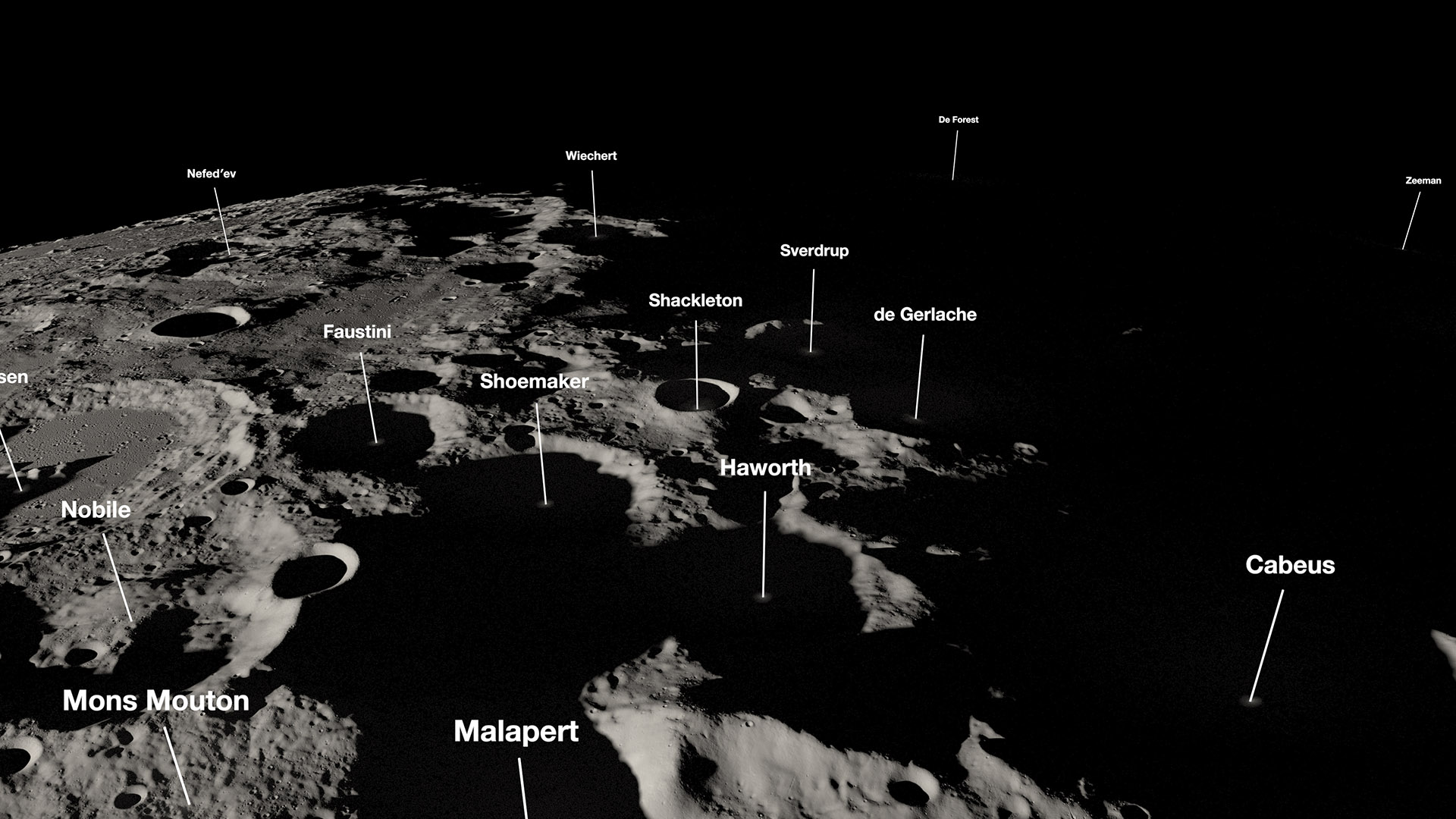
Move people, payloads, and modules across changing operating conditions.
Operational focus
Move · Transform · Coordinate
Build adaptable infrastructure for safe and sustained presence.
Operational focus
Protect · Sustain · Expand

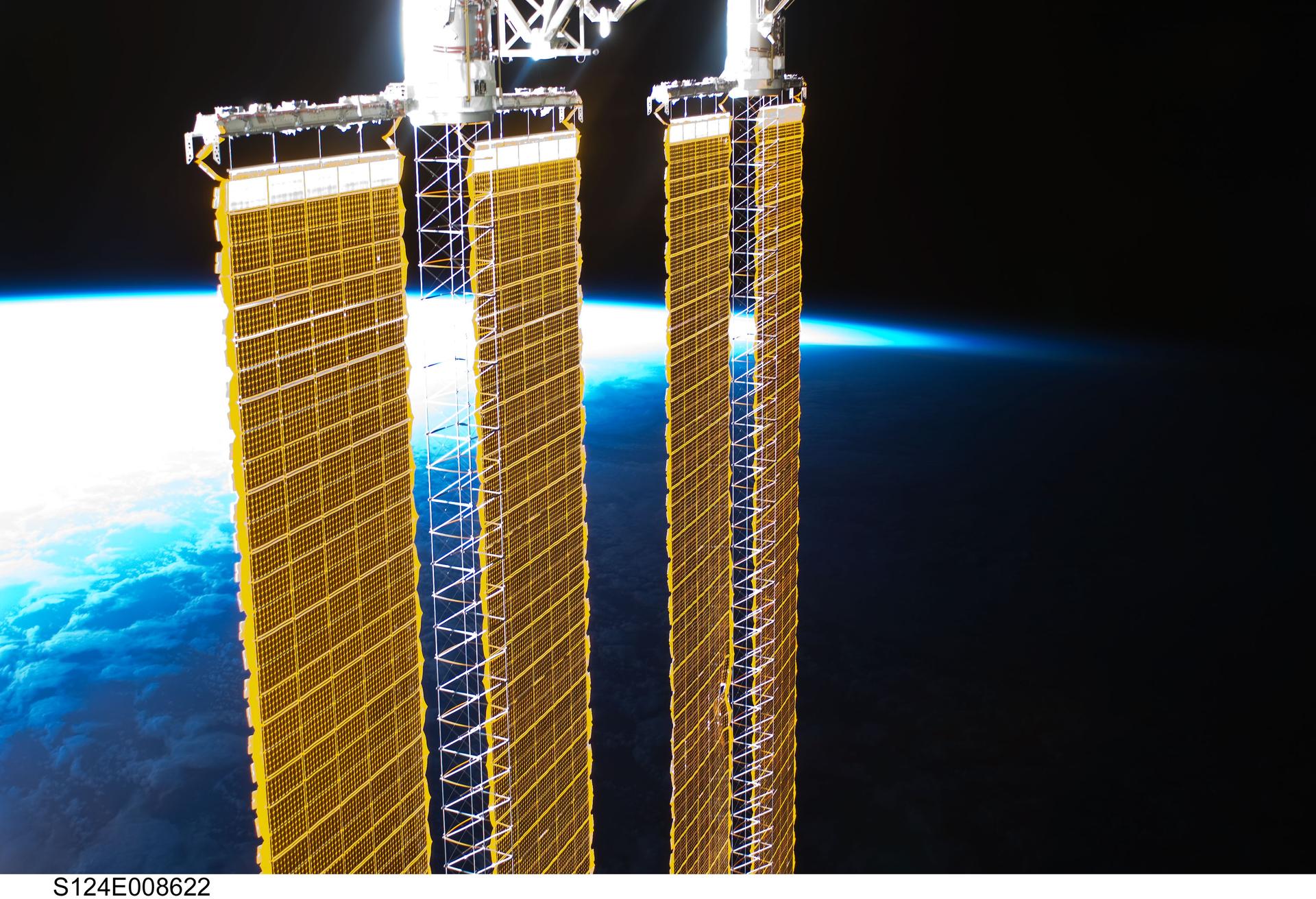
Connect perception, orientation, and movement into reliable corridors.
Operational focus
Sense · Decide · Connect
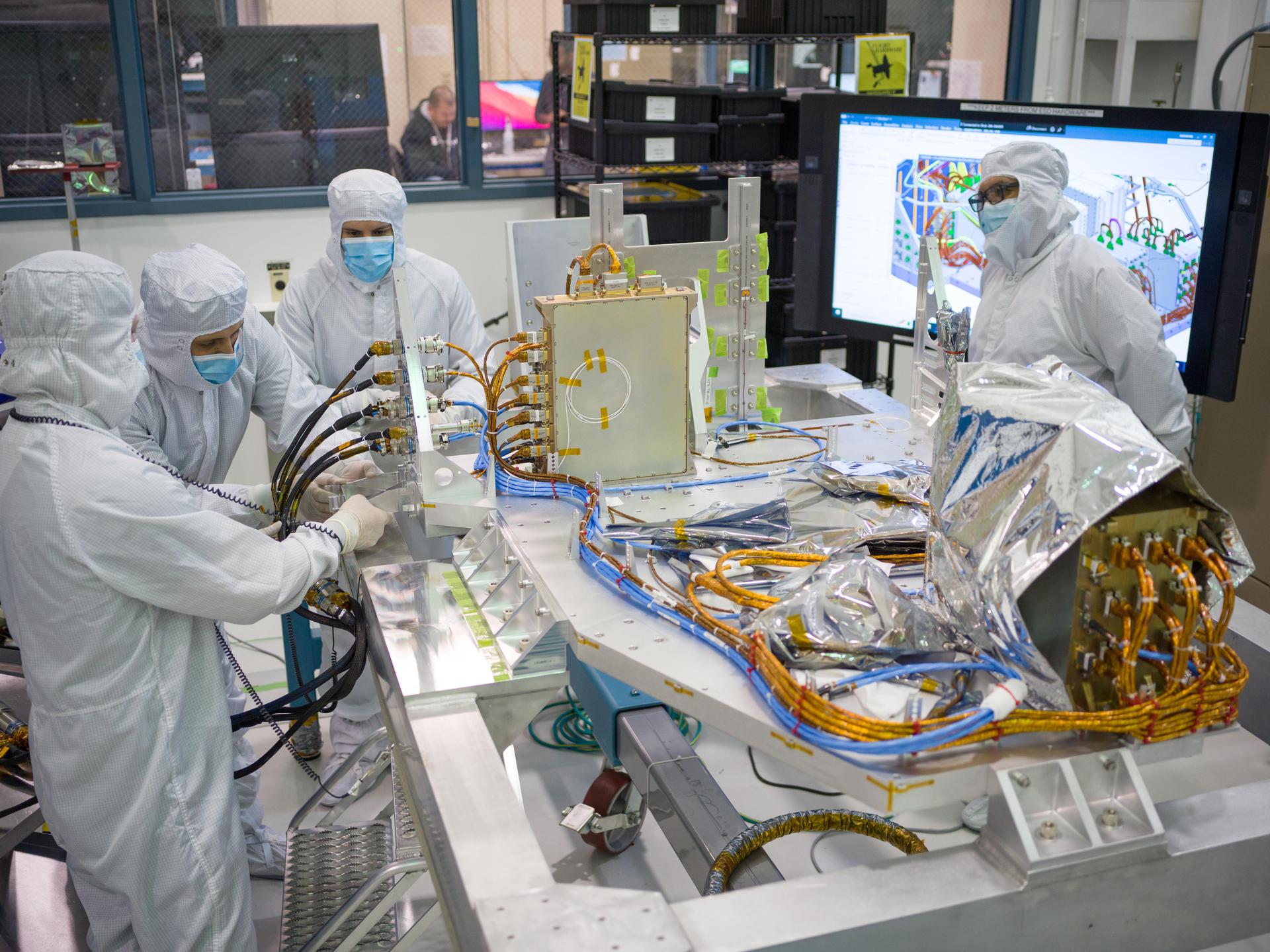
Provide local computing and communication for distributed systems.
Operational focus
Compute · Communicate · Cooperate
Operational architecture
The portfolio forms a shared technology base. Each connection shows where a product architecture contributes to exploration, transportation, settlement, navigation, or intelligence.
Engineering and scientific fields
These ten fields are developed as a connected systems architecture. They make the products possible and unite physical infrastructure with control, energy, communication, and computing.
Models, optimisation, and mathematical foundations for coupled physical and intelligent systems.
Portable, distributed, and scalable computing and communication architectures.
Perception, state estimation, and control of dynamic systems under demanding conditions.
Transformable, modular, and load-bearing structures for changing tasks and environments.
Measurement systems and real-time interpretation of environmental, structural, and system states.
Electronic interfaces, power conversion, and robust hardware for integrated systems.
System architectures for controlled behaviour under faults, failures, and limited access.
Distributed decision and coordination architectures for cooperating systems.
Propulsion and mobility architectures that adapt to mission phase and environment.
Compact energy architectures for remote operations with limited supporting infrastructure.
Development logic
Swarm Spatial brings scientific work, engineering, and product development together in a traceable maturity process.
Investigate core assumptions, models, and new system principles.
Turn principles into architectures, subsystems, and measurable requirements.
Develop integrable systems and products for defined operational goals.